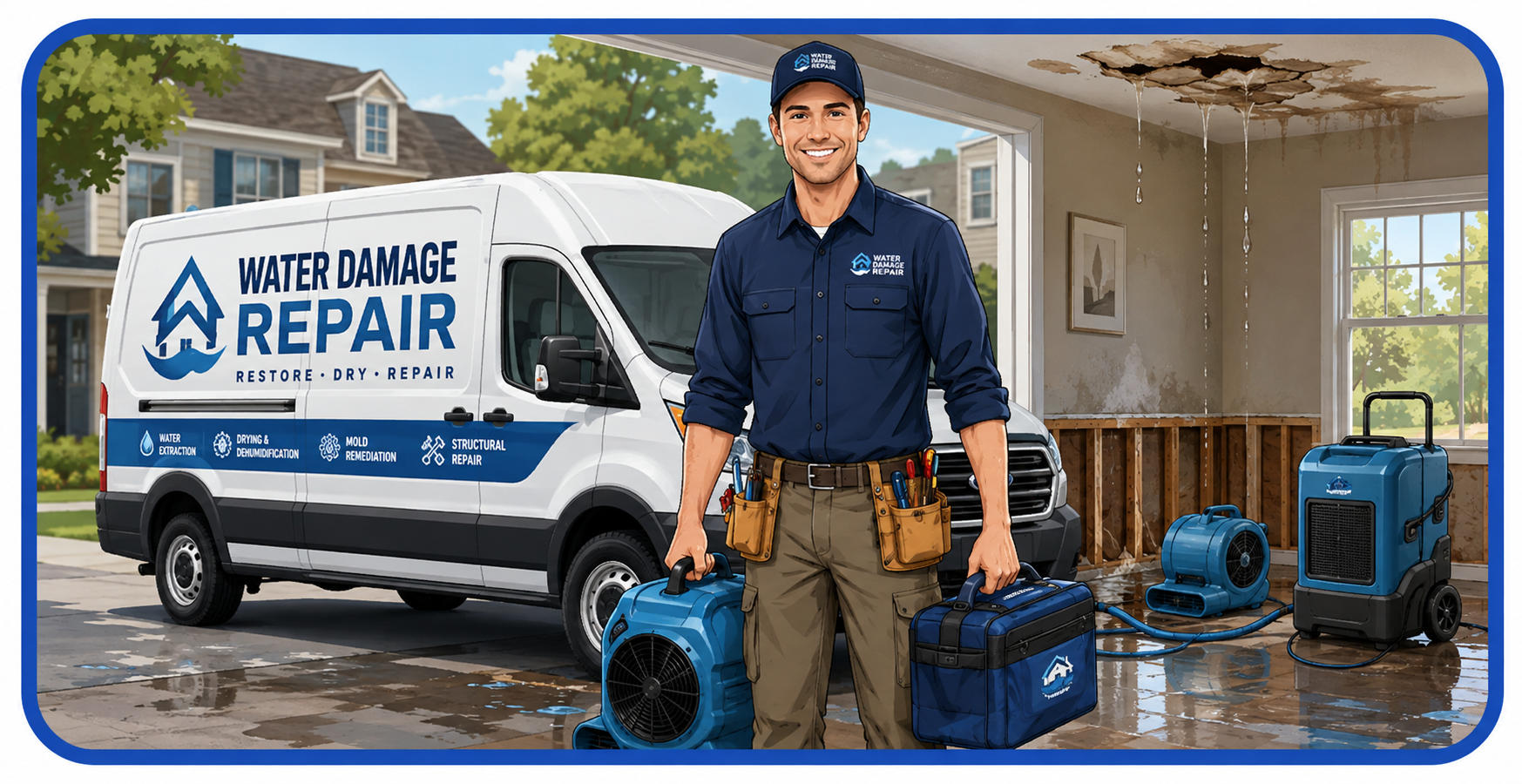
Homeowners and business owners across Maine, ME rely on Aqua Guard Water Damage because our trucks are staged regionally instead of centralized in one city, cutting the drive time on the calls that matter most.
Call +1-844-833-1325 Now
Across Maine, ME, our technicians hold IICRC water restoration certifications and stay current on the drying standards that actually apply to the humidity and climate patterns found in this state.
Local pricing matters, and our Maine, ME estimators quote based on regional material and labor costs instead of a flat number that ignores where in the state the job actually is.
We invest in ongoing training as drying standards and equipment evolve, rather than treating a technician's initial certification as the finish line.

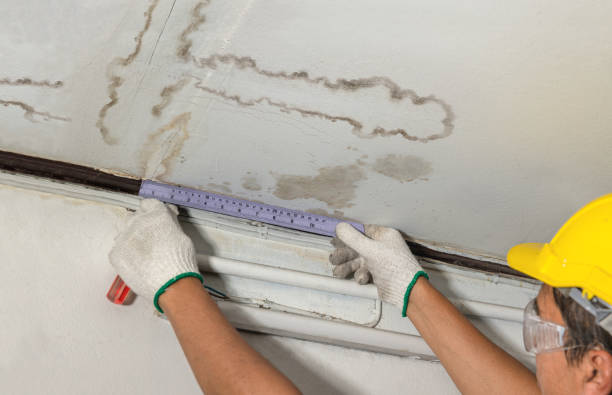
Ceiling stains near a bathroom or kitchen almost always trace back to a plumbing failure rather than a roof leak, which means the source is often closer and easier to fix than homeowners assume.
A persistent musty smell in a basement or bathroom usually means microbial growth has already started somewhere you can't see, often inside wall cavities or under flooring. Air fresheners will mask it temporarily but won't touch the actual source.
Tile that suddenly sounds hollow when you tap it often means the mortar bed underneath has been sitting in moisture long enough to lose adhesion. That hollow sound rarely resolves on its own.
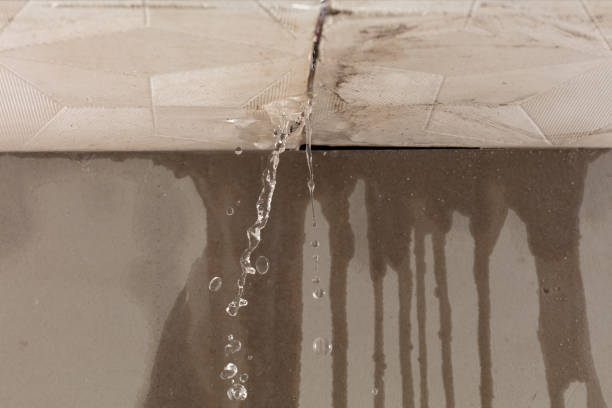
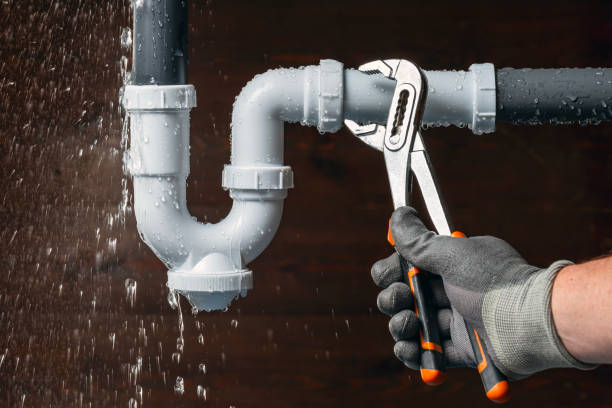
A running-water sound when every fixture in the house is off is a strong sign of a hidden leak feeding your rising bill.
Wallpaper that lifts at the seams after being fine for years is often a sign that humidity or a slow leak has changed the moisture level inside that wall.
Any visible mold, even a small patch in a corner or along a baseboard, means conditions behind that surface have supported growth for a while and the moisture source needs to be found, not just the mold wiped away.
We treat Crawl Space Water Removal as one continuous job rather than a series of handoffs — the crew that extracts the water is accountable for the drying results, and the drying results determine what reconstruction is actually needed.
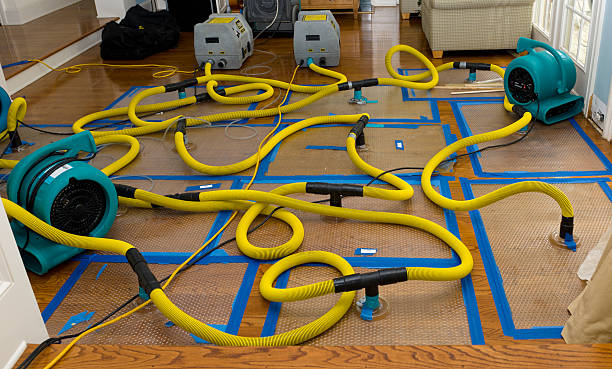
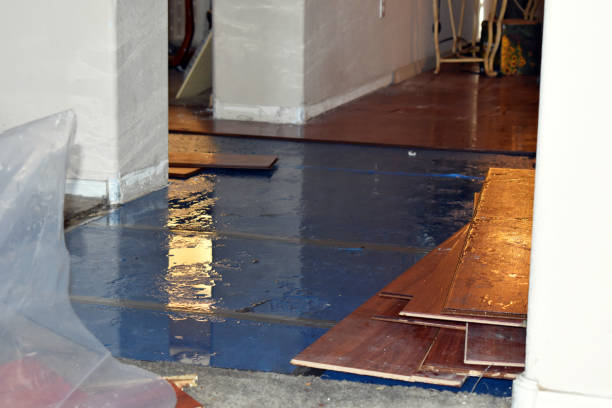
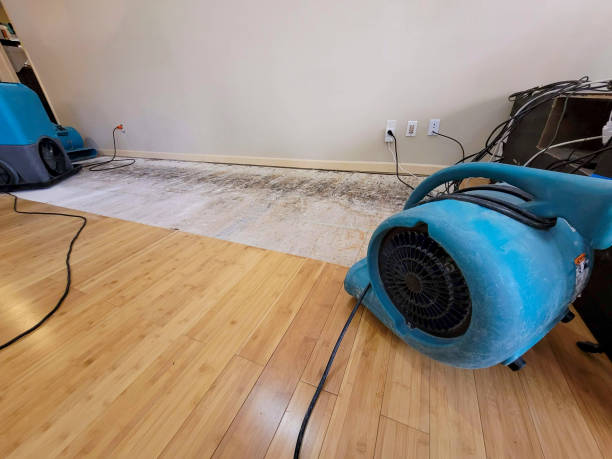
Standing water gets removed with commercial extraction equipment first, then we run moisture readings across every affected surface so the drying plan targets what's actually still wet, not what looks dry on the surface.
Equipment placement isn't guesswork; it's calculated from psychrometric readings taken at the start of the job and adjusted daily as conditions change.
Our sewage cleanup protocol follows IICRC S500 contamination standards, isolating the affected area, removing unsalvageable materials, and disinfecting every surface that had contact with blackwater.
If mold has already taken hold, our containment and remediation process isolates the affected zone with negative air pressure before any demolition begins, keeping spores from spreading to unaffected rooms.
The same team that documented the damage and dried the structure hands off directly to reconstruction, which keeps the whole timeline shorter and the paperwork simpler.
Furniture, documents, and electronics affected by water intrusion get assessed on-site, with salvageable items cleaned and stored while unsalvageable items are documented for your claim.


You call +1-844-833-1325 and speak with a live dispatcher, not a voicemail system — we ask a few quick questions about the source and severity so the crew arrives prepared.
Technicians arrive with moisture meters and thermal cameras to map exactly how far the water has traveled, including inside walls and under flooring where you can't see it.
Standing water comes out first with truck-mount equipment, then air movers and dehumidifiers go to work based on the psychrometric numbers we recorded.
Once moisture readings confirm the structure is dry, we hand you documentation and move into any needed reconstruction.
Every technician carries IICRC certification and our crews are fully insured for your protection on every job.
A crew close by isn't a marketing line — it's the difference between drying equipment running in an hour versus waiting half a day.
You get a written estimate before work begins, not a surprise invoice after the drying equipment is already running.
We stand behind every job with a documented re-inspection before we consider the work complete.
If our moisture readings don't hit a safe drying standard on schedule, we keep equipment on site at no additional cost until they do — that's the standard we hold ourselves to.
Our technicians don't get paid faster by closing jobs early, which keeps the incentive aligned with actually finishing the drying properly.
Call +1-844-833-1325Our Maine, ME coverage spans every major population center, with local dispatch handling the routing so response times stay consistent statewide.
As Maine, ME grows, so does our crew count — we add regional capacity rather than stretching one central office thinner.

"A pipe burst behind our water heater and the crew here in Maine, ME had extraction units running within 40 minutes of my call. They walked me through the moisture readings every day until it was fully dry."
James R., Maine, ME"They caught mold starting behind our drywall before it spread and contained it properly instead of just painting over the problem like a previous contractor did."
Denise M., Maine, ME"Professional from the first phone call to the final walkthrough. They re-tested moisture levels before closing the job instead of just eyeballing it."
Marcus T., Maine, ME"Fast response, clear pricing, and they coordinated directly with my insurance adjuster which saved me a huge headache during a stressful week."
Priya S., Maine, ME"We had a slow leak we didn't notice for weeks and the crew found moisture in places we never would have checked using thermal imaging."
Carlos V., Maine, ME"Our commercial unit flooded overnight and they had industrial equipment running before our staff arrived for the morning shift."
Angela F., Maine, ME"The tech explained exactly which boards needed to come out and which ones tested dry enough to keep, so we didn't pay to replace more than necessary."
Tyrone B., Maine, ME"Storm runoff got into our crawl space and the smell alone told us something was wrong. The crew found the vapor barrier had failed and fixed the actual cause, not just the symptom."
Wendy K., Maine, ME